



Crecimiento impulsado por la innovación: la tecnología de fundición a presión revoluciona la industria de la iluminación
2026-03-06 15:30
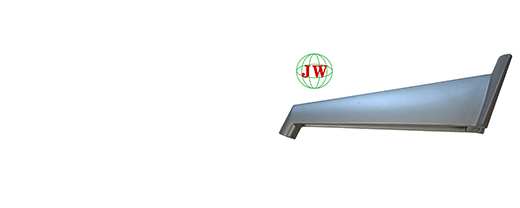
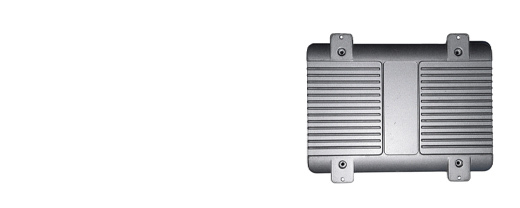
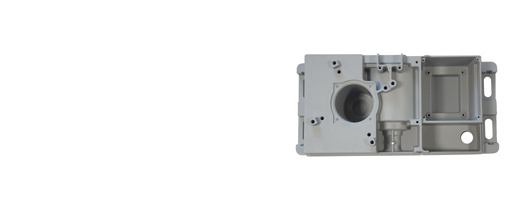
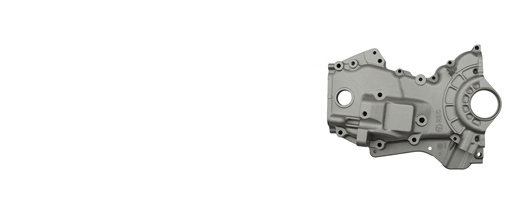
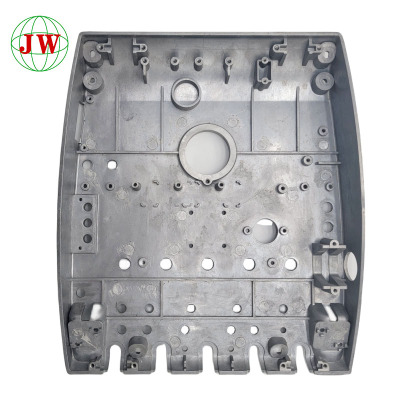
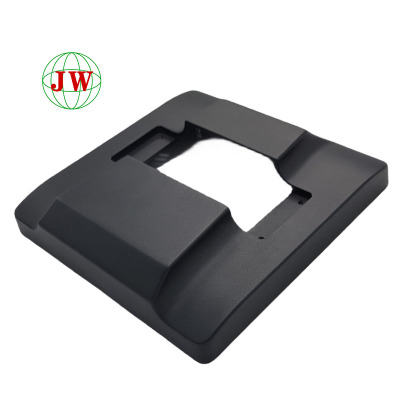
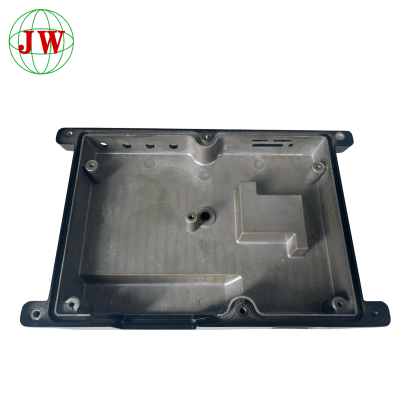
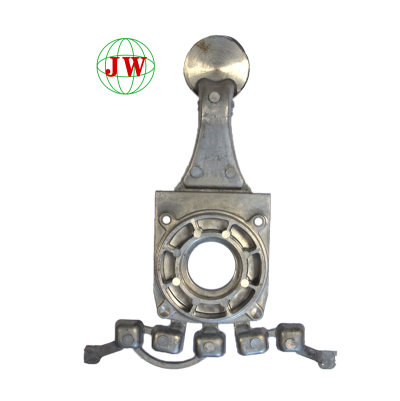
As the global lighting industry accelerates toward intelligence, greenization, and high integration, lighting die-casting parts have evolved from simple structural supports to multi-functional core components, integrating heat management, electromagnetic compatibility, and aesthetic expression. Valued at approximately 18 billion yuan globally in 2025, the lighting die-casting market is projected to maintain a CAGR of 6.2%, driven by surging demand from commercial, residential, and outdoor lighting sectors. Die-casting technology, with its advantages of high precision, high efficiency, and cost-effectiveness, has become the cornerstone of modern lighting manufacturing, empowering the industry’s transformation and upgrading.
Aluminum alloy lighting die-casting parts dominate the market, accounting for over 65% of total output, thanks to their excellent thermal conductivity, lightweight properties, and compatibility with surface treatment processes. Traditional alloys such as ADC12 and A380 are widely used in ordinary lighting fixtures, while high thermal conductivity aluminum alloys like AlSi10Mg and AlCu4Ti are increasingly applied in high-end lighting products. These high-performance alloys have a thermal conductivity of 160–180 W/(m·K), nearly double that of conventional ADC12, which can reduce LED junction temperature by 12–18℃ and extend light source life by more than 30% . Die-casting enables one-piece molding of complex geometric structures, integrating light source mounts, drive power cavities, and optical lens buckles into a single component, significantly simplifying assembly processes and reducing supply chain complexity.
Die-casting molds are the core of high-quality lighting die-casting parts, with precision and durability directly determining product performance. Leading manufacturers adopt high-grade mold steels and precision machining technologies to produce die-casting molds with dimensional accuracy within ±0.05mm, ensuring consistent quality of die-cast lighting components. Digital simulation tools and digital twin technology are widely used in mold design, optimizing cooling channels and gating systems to minimize die-casting defects such as pores and shrinkage, and shortening mold development cycles by 40% . For modular lighting products, flexible die-casting mold designs support quick switching between component variants, meeting customized production needs.
Technological innovation is continuously breaking through the performance boundaries of lighting die-casting. Semi-solid die-casting and vacuumdie-casting technologies are gradually popularized, effectively improving the density and mechanical properties of die-cast parts, making them suitable for high-power LED lighting and harsh outdoor environments. Micro-arc oxidation, PVD, and nano-coloring surface treatment technologies are widely applied to lighting die-casting parts, achieving precise color control and diverse texture effects, which meet consumers’ growing demand for aesthetic appearance . In addition, AI-driven generative design optimizes the structure ofdie-cast components, reducing weight by 34% while improving heat dissipation efficiency by 41% for high-end street lamp die-casting parts.
Sustainability has become a key driver of the lighting die-casting industry’s development. Under the background of global “dual carbon” goals, the proportion of recycled aluminum used in lighting die-casting parts has reached 35% or more, reducing carbon emissions by over 60% compared with primary aluminum . Energy-efficient die-casting presses and closed-loop water cooling systems further reduce the industry’s environmental footprint, helping lighting manufacturers meet ESG compliance requirements. China, as the world’s largest producer and exporter of lighting products, accounts for nearly 40% of the global lighting die-casting supply, with industrial clusters formed in Guangdong, Zhejiang, and Jiangsu provinces, relying on a complete industrial chain to provide high-quality die-cast lighting components for the global market.
The downstream application scenarios of lighting die-casting parts are constantly expanding. In outdoor lighting, die-cast lamp bodies integrate heat dissipation fins, waterproof junction boxes, and mounting flanges, achieving IP66 or higher protection levels and adapting to harsh environments such as high humidity and salt spray . In smart home lighting, lighting die-casting parts need to integrate Wi-Fi 6 antenna clear areas and EMC shielding cavities within ultra-thin wall thicknesses, meeting the requirements of intelligent integration. Commercial lighting pays more attention to the customization and reliability of die-cast components, driving the industry to move towards system-level intelligent node development.
Looking ahead, the lighting die-casting industry will focus on the in-depth integration of materials, processes, design, and scenarios. With the popularization of Mini-LED, COB, and laser lighting technologies, die-casting technology will face higher requirements for heat dissipation and structural integration. Enterprises mastering core die-casting mold technology and sustainable production capabilities will gain a competitive advantage. It is expected that by 2027, the market scale of high thermal conductivity die-casting aluminum alloys in the lighting industry will exceed 2.8 billion yuan, with a CAGR of 14.2%, continuing to support the high-quality development of the global lighting industry.
Noticias relacionadas
Más >-
![Innovadores utensilios de cocina no tóxicos revolucionan la experiencia culinaria]()
Innovadores utensilios de cocina no tóxicos revolucionan la experiencia culinaria
En la dinámica industria culinaria, los fabricantes están respondiendo a la demanda de utensilios de cocina seguros y eficientes. Los utensilios de cocina de aluminio fundido a presión y antiadherentes, junto con los accesorios para barbacoa y las sartenes de teflón, están a la vanguardia. La búsqueda de la mejor sartén antiadherente y no tóxica ha dado lugar a avances revolucionarios. Nuestra empresa lidera esta tendencia con utensilios de cocina antiadherentes, no tóxicos y de primera calidad, que cuentan con durabilidad, seguridad y rendimiento. Desde la durabilidad del aluminio fundido hasta los revestimientos antiadherentes superiores, nuestros productos redefinen la excelencia culinaria.
-
![¿Cómo solucionar los problemas de porosidad por contracción causados por un diseño deficiente del sistema de refrigeración del molde?]()
¿Cómo solucionar los problemas de porosidad por contracción causados por un diseño deficiente del sistema de refrigeración del molde?
La porosidad por contracción es uno de los defectos más comunes y destructivos en la producción de fundición a presión de aleaciones de aluminio, causada principalmente por un diseño inadecuado del sistema de refrigeración del molde, más que por errores en la materia prima o en el proceso. Una refrigeración desequilibrada provoca velocidades de solidificación inconsistentes, cavidades de contracción residuales y poros dispersos en zonas de paredes gruesas o puntos calientes, lo que reduce drásticamente la estanqueidad, la resistencia mecánica y el rendimiento del producto. Este artículo analiza el mecanismo de formación interna de la porosidad por contracción inducida por la refrigeración, resume los fallos típicos de diseño de refrigeración en las herramientas tradicionales y propone soluciones de optimización específicas, como la disposición de la refrigeración conforme, el ajuste del equilibrio térmico y la adaptación de los parámetros del proceso. Asimismo, presenta métodos profesionales de verificación mediante simulación para ayudar a los fabricantes a eliminar los defectos de porosidad y estabilizar la calidad de la fundición de forma fundamental.
-
![¿Cuál es el plazo de entrega típico para prototipos personalizados de aluminio fundido a presión?]()
¿Cuál es el plazo de entrega típico para prototipos personalizados de aluminio fundido a presión?
El plazo de entrega de prototipos personalizados de aluminio **fundición a presión** depende en gran medida de la complejidad de la pieza, la estabilidad del dibujo, la ruta de fabricación y el alcance del posprocesamiento. El prototipo estándar **herramientas** más la entrega de la muestra de fundición normalmente tarda entre 15 y 25 días hábiles, mientras que las muestras de bloques mecanizadas por CNC y las muestras de metal impresas en 3D ofrecen un plazo de entrega mucho más rápido, pero no pueden replicar completamente las propiedades mecánicas reales de la fundición a presión. Las revisiones frecuentes de los dibujos, los defectos de fundición y los retrasos en los procesos subcontratados son las principales causas de demora. Los compradores deben elegir soluciones de prototipo adecuadas según los fines de las pruebas, confirmar definiciones claras de los plazos y proporcionar dibujos finalizados para optimizar los cronogramas. Una organización racional de las demandas de **CNC** y tratamiento de superficies también ayuda a controlar el ciclo general del prototipo para proyectos de fundición a presión transfronterizos.
-
![¿Cuál es el espesor mínimo de pared para sus piezas de fundición a presión?]()
¿Cuál es el espesor mínimo de pared para sus piezas de fundición a presión?
El espesor mínimo de pared para piezas fundidas a presión no es una cifra fija. Si bien se pueden lograr paredes delgadas a nivel de laboratorio, la producción en masa requiere considerar la fluidez de la aleación, el tamaño de la pieza, la distancia de flujo de la fusión, la precisión de las herramientas y el postprocesamiento, como el mecanizado CNC. La aleación de aluminio suele adoptar entre 1,2 y 1,5 mm como espesor mínimo de pared práctico para una producción de volumen estable. Muchos clientes cometen errores de diseño al copiar estándares de chapa metálica o ignorar la distancia de flujo y la variación del espesor de pared. La revisión DFM temprana con los proveedores ayuda a optimizar los parámetros de espesor de pared antes del desarrollo del molde. Equilibrar la demanda de ligereza, el rendimiento de llenado y la fiabilidad del ensamblaje puede reducir defectos como fallos de llenado y porosidad, disminuir la tasa de rechazo y evitar costosas modificaciones de herramientas en etapas posteriores del proyecto.
-
![¿Cómo controlar los defectos de burbujas de aire durante el proceso de fundición a presión?]()
¿Cómo controlar los defectos de burbujas de aire durante el proceso de fundición a presión?
La formación de burbujas de aire es un defecto típico en la fundición a presión, causado por el aire atrapado en la cavidad, el vapor del lubricante y el hidrógeno disuelto en la aleación fundida, lo que debilita el rendimiento mecánico y provoca fallos durante el mecanizado secundario. Este artículo explica el mecanismo de formación de burbujas, introduce la optimización de las herramientas, incluyendo el sistema de alimentación, el diseño de rebosaderos y ventilación, el ajuste del perfil de inyección y el tiempo de ciclo, la desgasificación de la aleación fundida y la gestión de residuos, además de la inspección in situ y el mantenimiento preventivo. La obstrucción de la ventilación y el flujo turbulento del metal son los principales desencadenantes. La simulación del flujo del molde ayuda a mejorar en las primeras etapas. La ausencia total de burbujas no siempre es económica; la resolución de problemas paso a paso y el mantenimiento regular del molde reducen eficazmente la tasa de rechazo de burbujas en los componentes de fundición a presión de producción en masa.
-
![¿Cuál es el plazo de entrega para el desarrollo de nuevas herramientas de fundición a presión?]()
¿Cuál es el plazo de entrega para el desarrollo de nuevas herramientas de fundición a presión?
Este artículo explica el plazo de entrega completo para el desarrollo de moldes de fundición a presión personalizados bajo el proceso estándar de fundición a alta presión, y detalla cinco dimensiones clave que influyen en él. El ciclo total varía de 25 a 60 días hábiles, dependiendo de las etapas secuenciales de fabricación del molde, la complejidad estructural de las piezas de fundición de aluminio, los estándares de precisión y el margen de mecanizado CNC reservado. Los defectos de fundición en lotes no resueltos, como burbujas de aire y rebabas, requieren rectificaciones repetidas del molde y prolongan considerablemente los plazos de entrega. Los retrasos en la revisión de planos también afectan el cronograma general. Los fabricantes pueden acortar el plazo de entrega mediante el procesamiento en paralelo, las especificaciones técnicas preconfirmadas y la simulación previa para reducir el retrabajo posterior a la prueba, lo que ayuda a los compradores a establecer cronogramas de proyecto razonables con los días de margen adecuados.
-
![¿Qué material de acero utiliza para las herramientas estándar de fundición a presión?]()
¿Qué material de acero utiliza para las herramientas estándar de fundición a presión?
Centrado en los estándares de iones de acero para herramientas de fundición a presión estándar, este artículo analiza cinco dimensiones clave: requisitos de rendimiento para acero de fundición a presión de alta presión, comparación de grados de acero para trabajo en caliente convencionales, cómo la calidad del acero suprime los defectos de fundición a presión por lotes, reglas de selección de acero basadas en la producción y el margen de mecanizado CNC de piezas de fundición a presión de aluminio, y compensación costo-vida útil para prototipos y moldes de fundición a presión de producción en masa. El acero purificado para trabajo en caliente, como el ESR H13 y el 8407, evita eficazmente las grietas térmicas y los defectos de adherencia del aluminio. El acero no purificado de bajo costo reduce el gasto inicial de herramientas, pero conlleva retrabajo frecuente y pérdidas por desperdicio. La selección jerárquica de acero según el volumen del pedido equilibra la inversión inicial y la estabilidad de la fundición a largo plazo.
-
![¿Cuáles son los defectos comunes de las piezas fundidas a presión de aleación de zinc?]()
¿Cuáles son los defectos comunes de las piezas fundidas a presión de aleación de zinc?
Este artículo presenta cinco defectos comunes en las piezas fundidas a presión de aleación de zinc, incluyendo la corrosión por óxido blanco, la porosidad interna y la cavidad de contracción, el cierre en frío superficial, la deformación dimensional, la adherencia al molde y las rebabas. A diferencia de las piezas fundidas a presión de aluminio, las de zinc son más susceptibles a la corrosión por óxido blanco y a la adherencia al molde debido a sus propiedades químicas activas y a la fuerte adhesión al molde. La mayoría de los defectos se deben a un proceso de fundición inadecuado, un mantenimiento deficiente del molde y un tratamiento anticorrosión superficial incompleto. La optimización específica del proceso, el mantenimiento regular del molde y la protección completa de la superficie pueden reducir eficazmente la tasa de defectos y mejorar la calidad del producto final de las piezas fundidas a presión de aleación de zinc.
Obtenga el último precio? Le responderemos lo antes posible (dentro de las 12 horas)